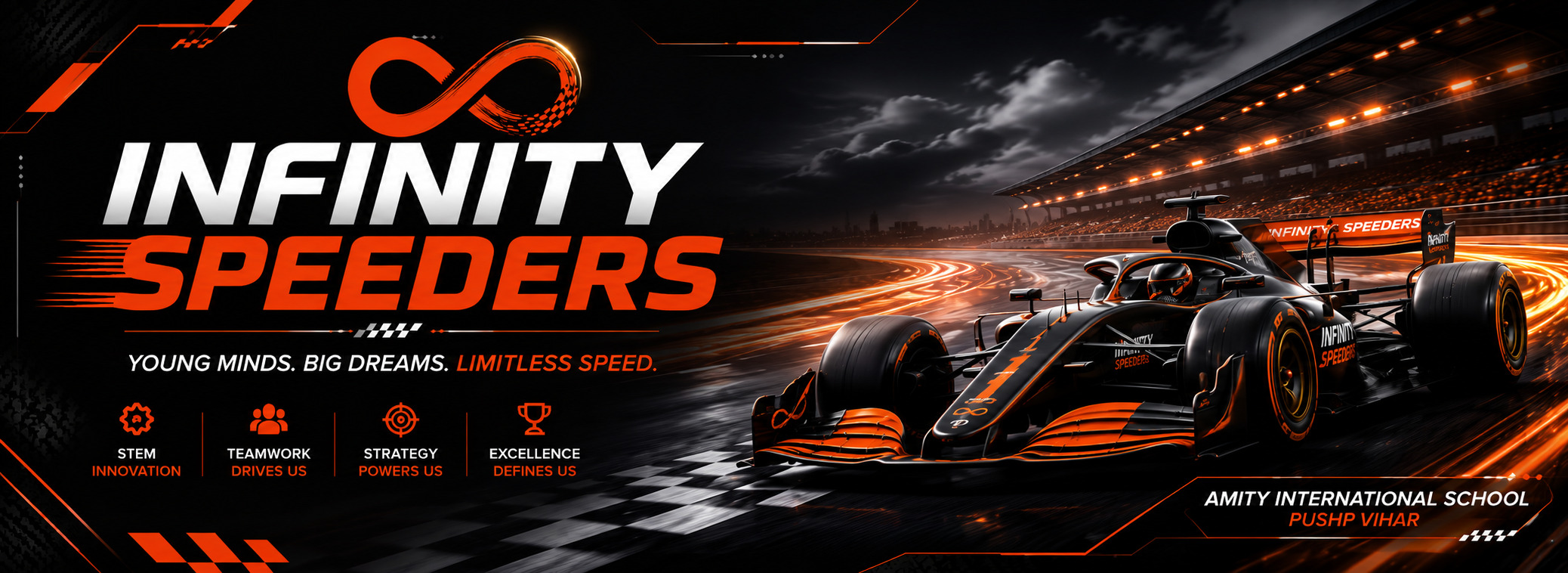
A team of passionate young motorsport engineers from Amity International School, Pushp Vihar — competing at the STEM Racing India National Finals 2025–26 and pushing the boundaries of Formula 1 engineering, aerodynamics, and future mobility technology.
Welcome to Infinity Speeders — a team of passionate Formula 1 enthusiasts driven by speed, teamwork, innovation, and big dreams. We are a group of 11-year-olds from Class 7, united by a shared passion for Formula 1, STEM innovation, and teamwork. We compete in F1 in Schools, the world's largest STEM competition, where we design, build, and race miniature CO₂ cars against teams globally. Our school has always encouraged creativity, scientific thinking, leadership, and excellence beyond academics.
At Infinity Speeders, our mission is to represent our school with excellence at the National STEM Racing Competition by combining creativity, teamwork, engineering skills, and a passion for motorsports. We aim to learn, innovate, and grow together while exploring the exciting world of science, technology, engineering, and racing. We believe that young minds can create big ideas, and through STEM Racing, we are building confidence, leadership, problem-solving skills, and the spirit to challenge ourselves beyond limits.
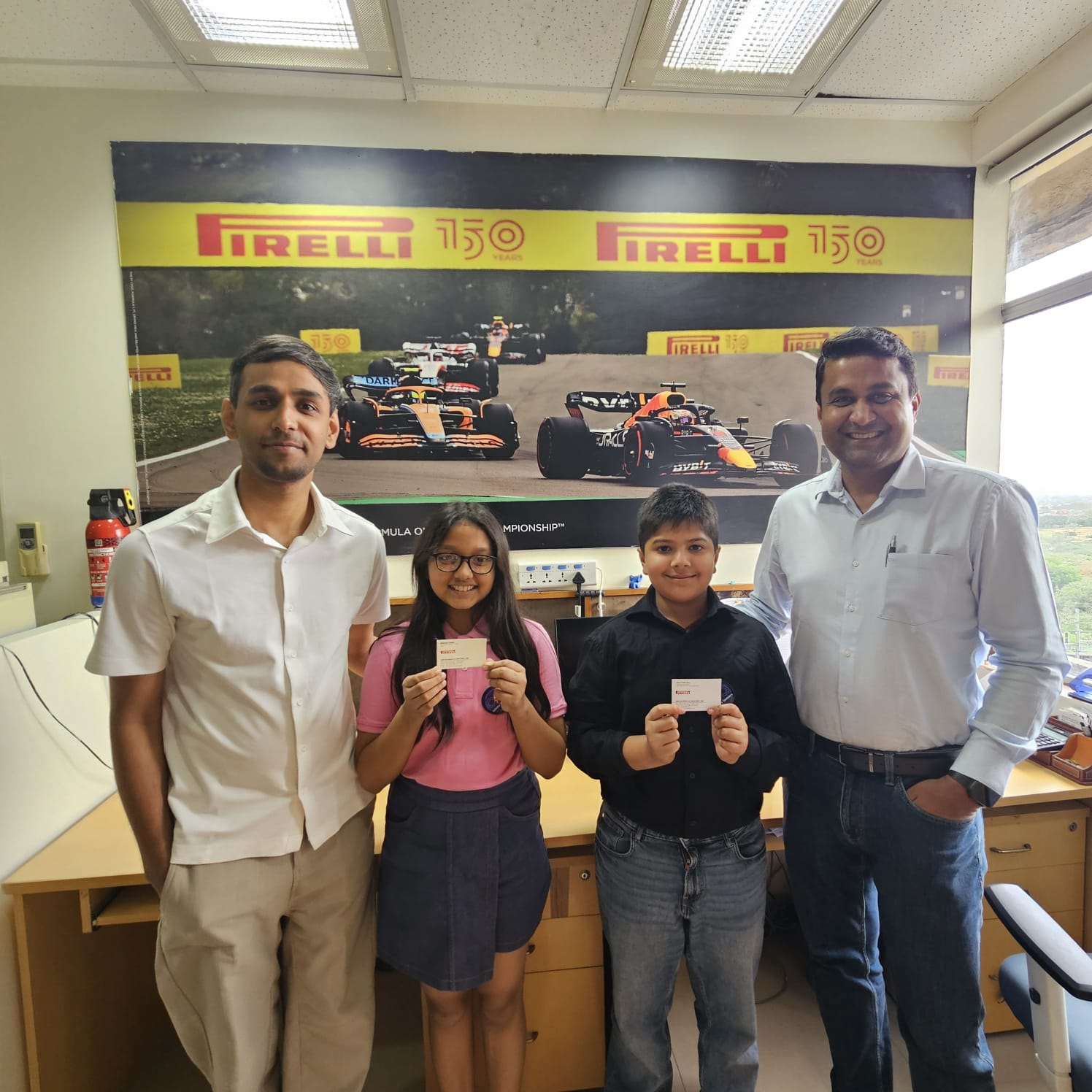
All members are students of Class 7 at Amity International School, Pushp Vihar.
We explored the complete process of designing, testing, and developing our miniature Formula 1 car using modern CAD/CAM technologies.
Our journey began with understanding the fundamentals of Formula 1 engineering, aerodynamics, speed, and vehicle design. We researched how professional F1 teams improve performance through shape, balance, airflow, and lightweight structures. This helped us plan the design and goals for our own miniature race car.
Using Computer-Aided Design (CAD) tools including Autodesk Fusion, we created detailed 3D models of our car. We experimented with different body shapes, wheel placements, and aerodynamic features to achieve better speed and stability. Through multiple design modifications, we learned how even small changes can impact performance on the track.
After creating our initial designs, we analysed and tested them to identify areas for improvement. Each round of testing taught us valuable lessons about engineering, teamwork, and precision.
We carefully selected materials for different parts of our miniature F1 car based on their properties, performance, and efficiency. Through research and testing — including consultations with ENORD (carbon fibre drone manufacturing) and another manufacturer who suggested PLA and PetG — we selected carbon fibre for the body and nylon for the wheels. We sent the digital model to Stemplify who converted our design into a real-life miniature racing car using advanced CAM technology. Seeing our own virtual design become an actual physical car was an unforgettable experience for Team Infinity Speeders. It helped us understand how ideas and digital concepts can be turned into reality through engineering and technology.
We chose carbon fibre for most parts of our car because of its lightweight yet extremely strong nature. In racing, reducing weight is very important because a lighter car can accelerate faster and move more efficiently. Carbon fibre also provides excellent durability and stiffness, making it ideal for maintaining the structure and balance of the car while keeping the overall weight low.
For the wheels, we selected nylon because it offers excellent grip, durability, and smooth movement on the track. Grip is essential in racing because it helps maintain control and stability at high speeds. Nylon is also resistant to wear and friction, making it a reliable material for racing wheels.
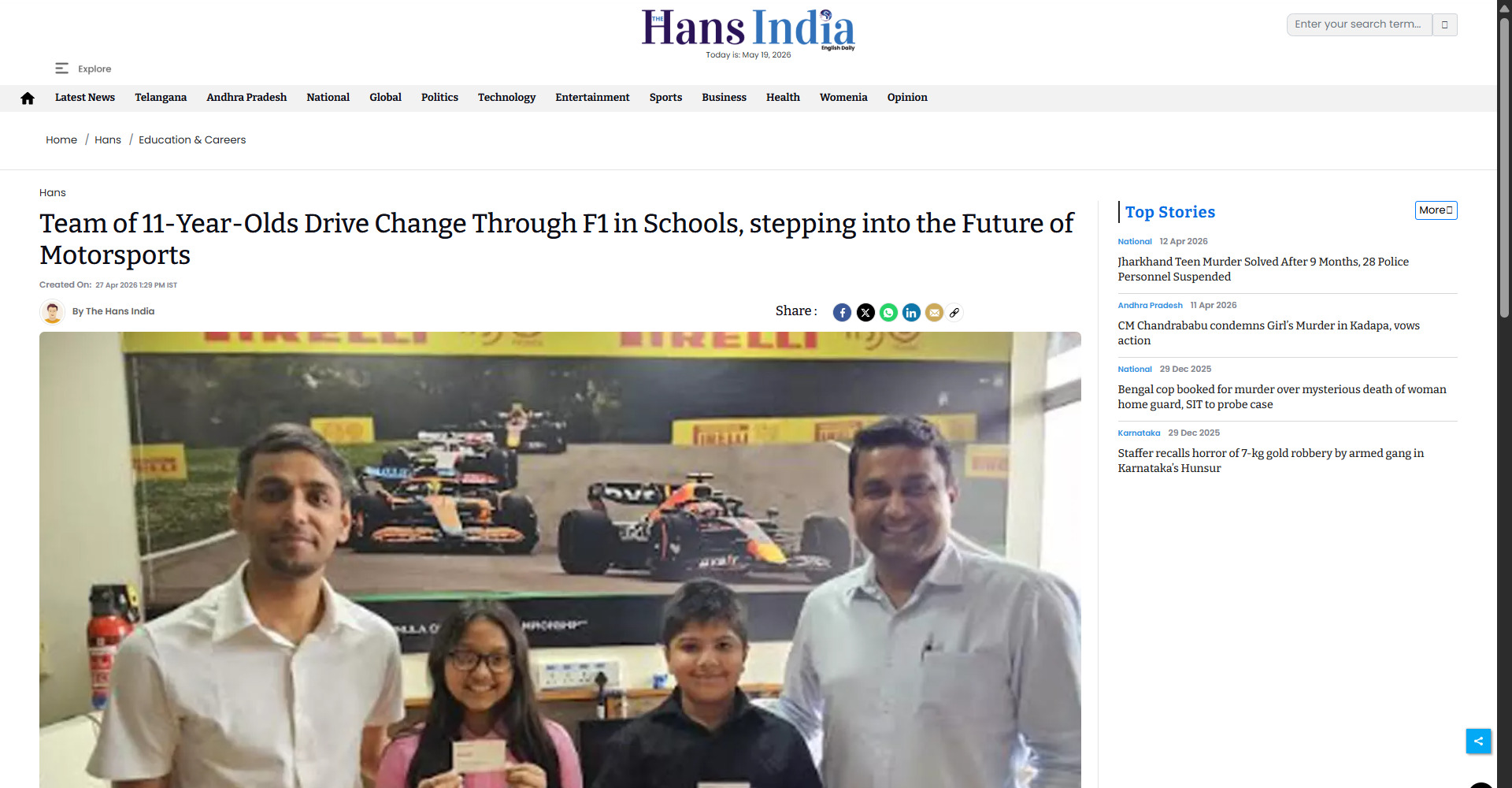
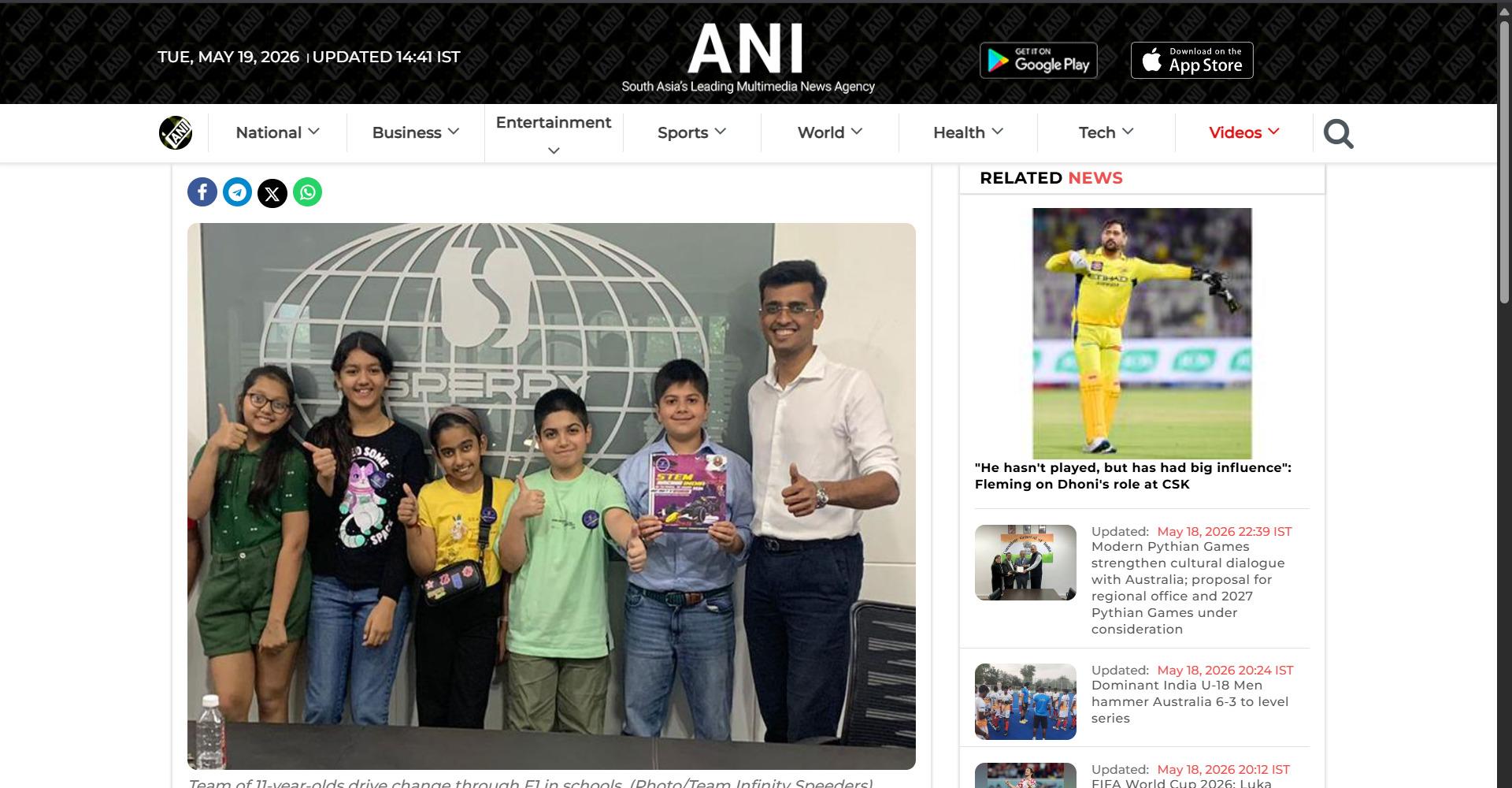
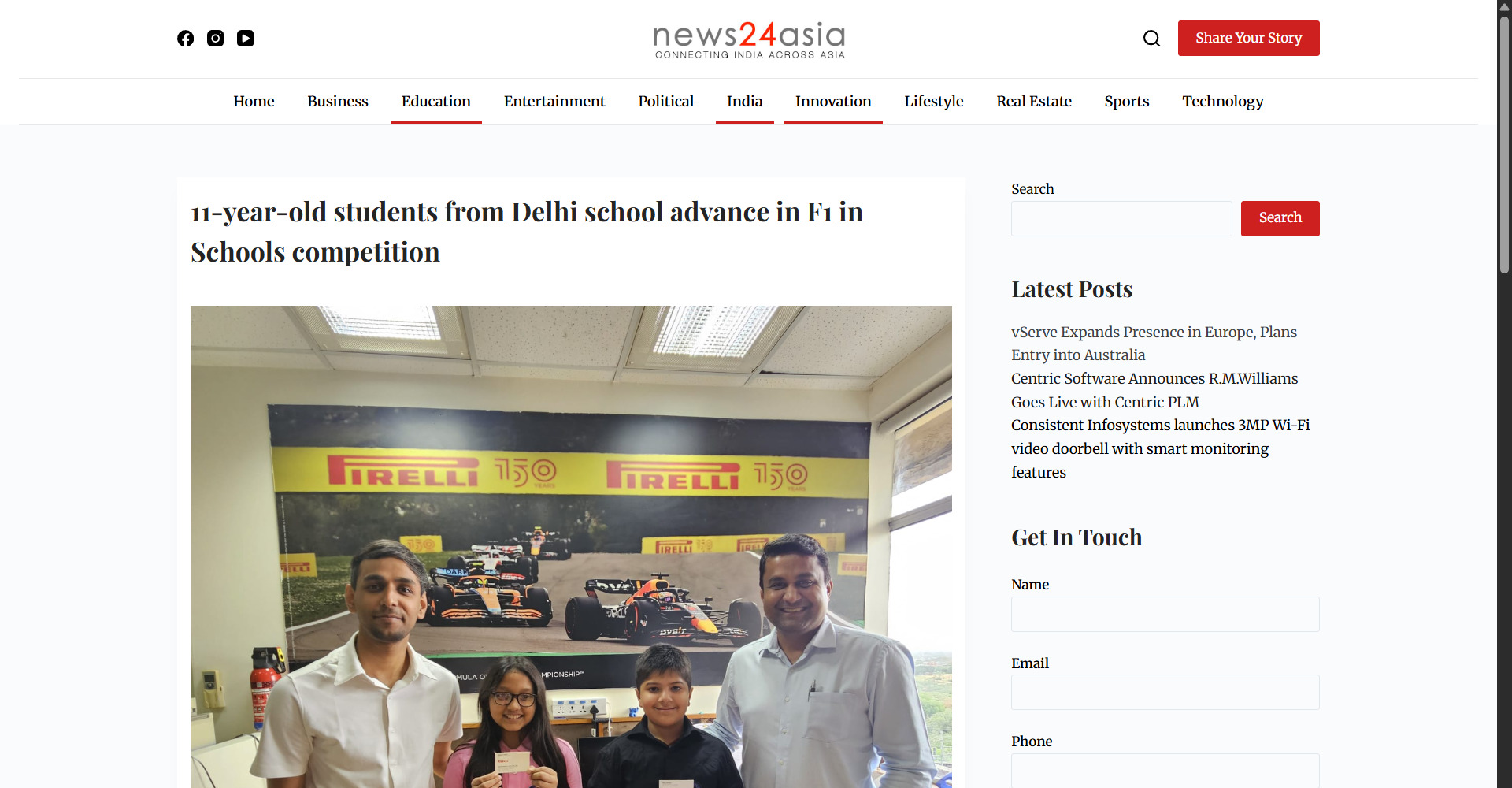
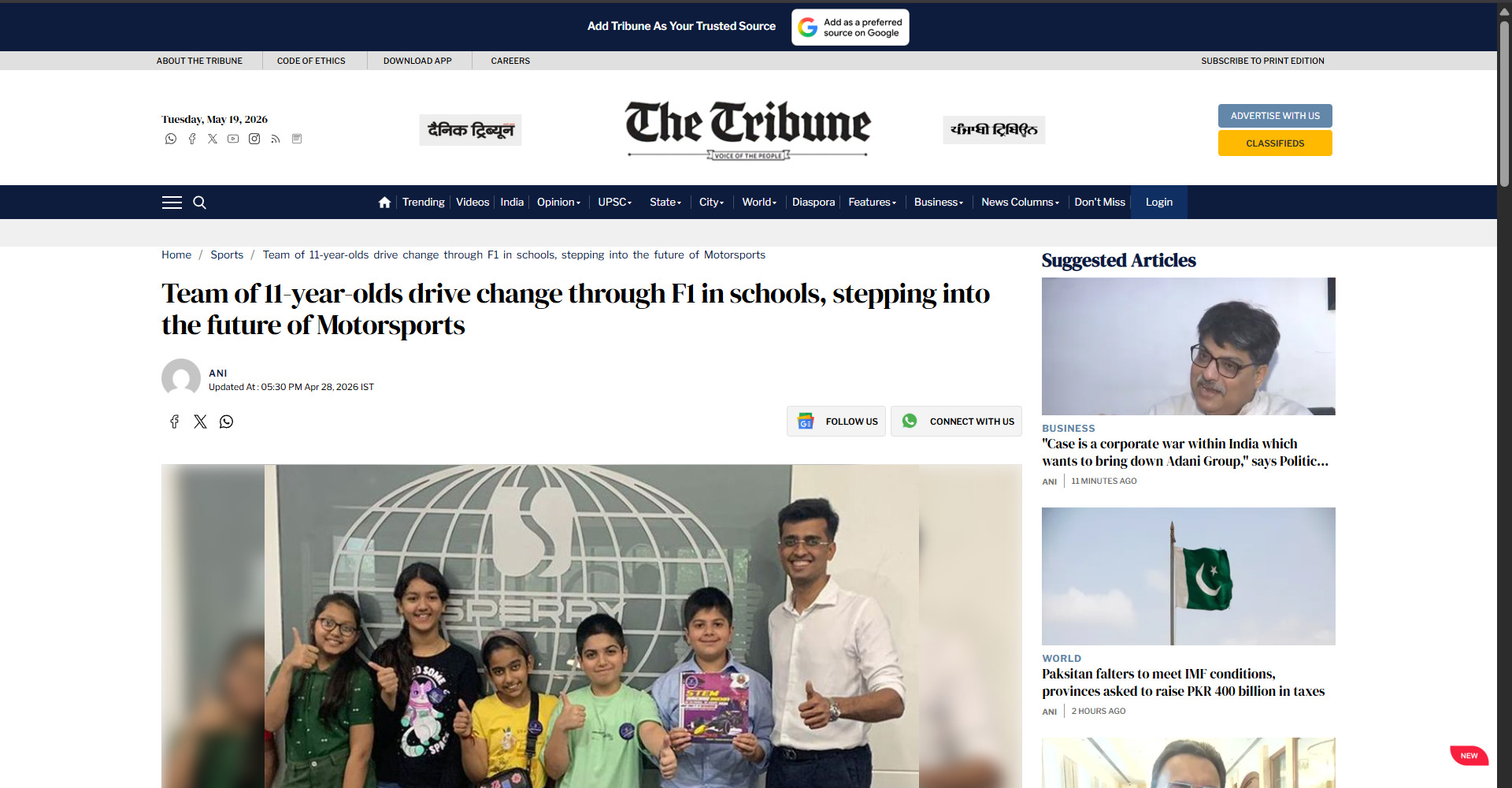
Infinity Speeder featured across leading media platforms.
These young engineers are the future of motorsport. Their passion, technical depth, and creativity at such a young age is nothing short of extraordinary.